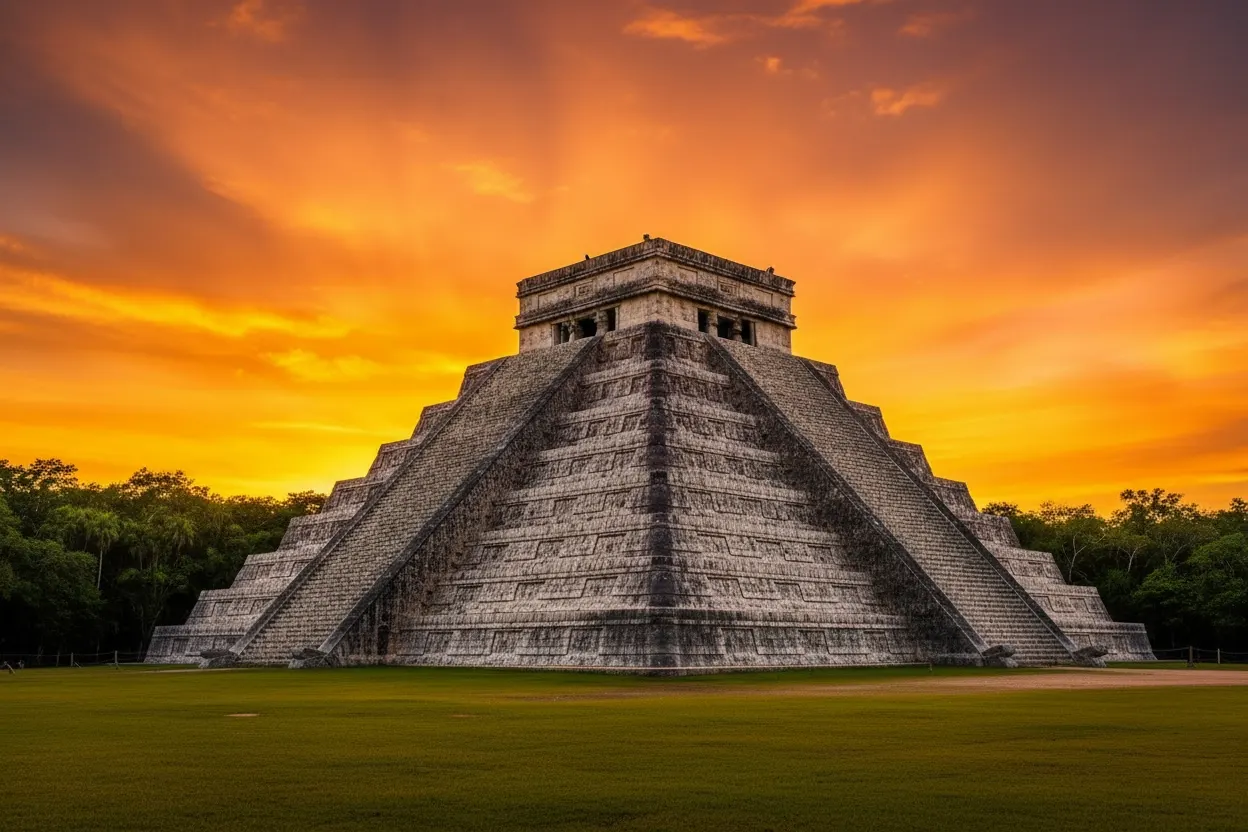
Chichen Itza History & Facts
Journey through 1,400 years of Mayan civilization at one of the world's most iconic archaeological sites
First Settlement
UNESCO Listed
New 7 Wonders
Annual Visitors
Timeline of Chichen Itza History
Early Settlement
The first settlements appear in the Chichen Itza area, established by Maya people from the lowlands.
Golden Age Begins
Chichen Itza rises to become the most powerful city in the Yucatan Peninsula, controlling trade routes.
Toltec Influence
Architectural fusion with Toltec styles from central Mexico creates the iconic structures we see today.
Decline
Political conflicts lead to the city's abandonment as a political center, though it remains a pilgrimage site.
Rediscovery
John Lloyd Stephens publishes detailed accounts, sparking worldwide interest in Mayan archaeology.
UNESCO Heritage
Chichen Itza is designated a UNESCO World Heritage Site, ensuring its preservation.
New Seven Wonders
El Castillo is voted one of the New Seven Wonders of the World by global public vote.
Iconic Structures at Chichen Itza
Discover the ancient Mayan architectural marvels that make Chichen Itza a UNESCO World Heritage Site
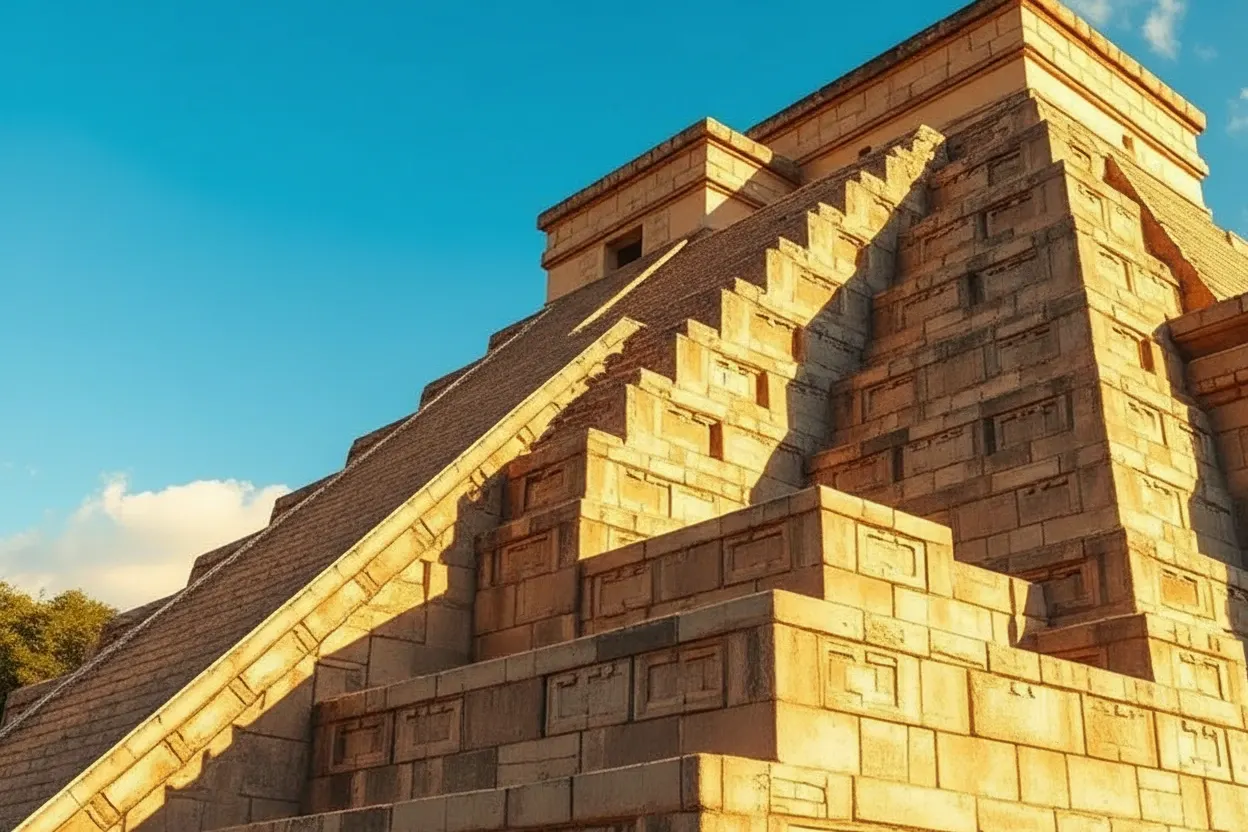
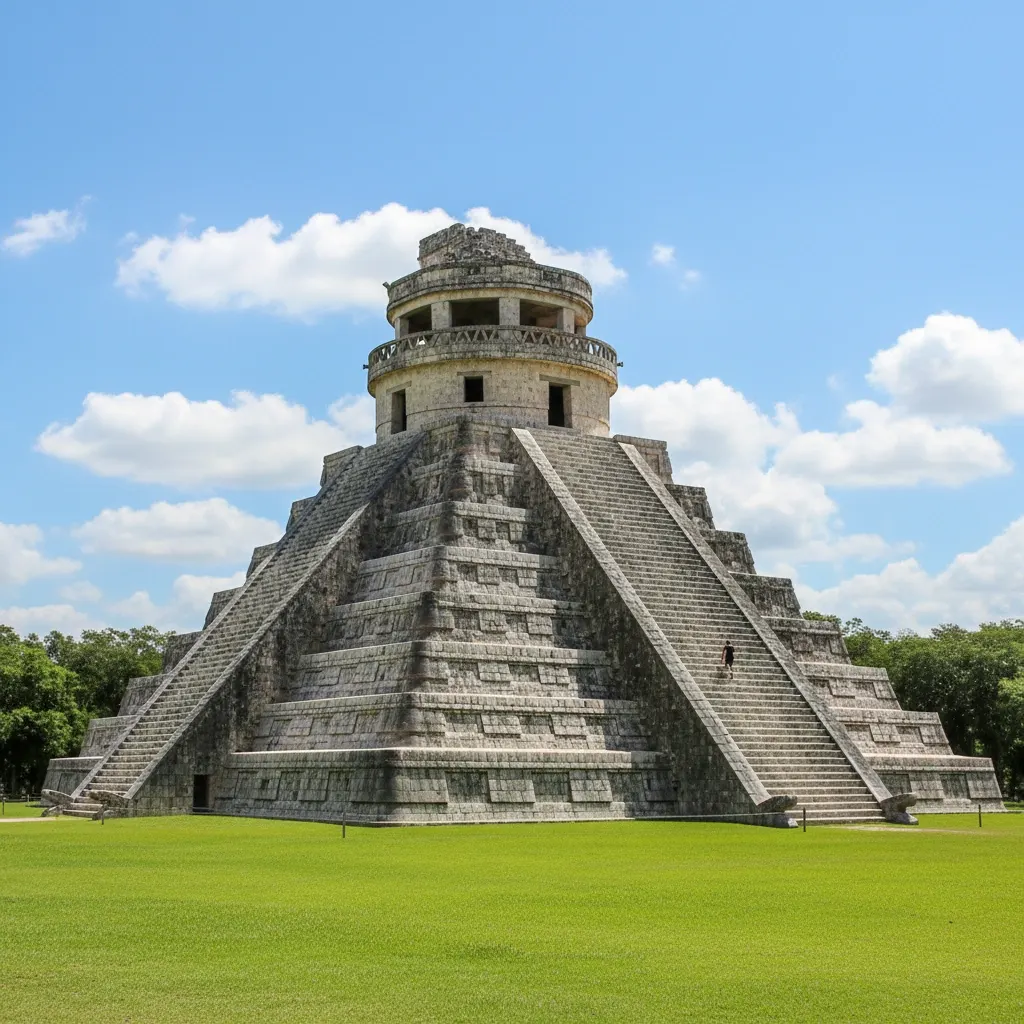
El Castillo (Temple of Kukulcán)
- •91 steps on each of 4 sides = 364, plus the temple platform = 365 (days in a year)
- •Height: 98 feet (30 meters)
- •Base: 181 feet (55 meters) per side
- •During equinoxes, shadows create a serpent descending the stairs
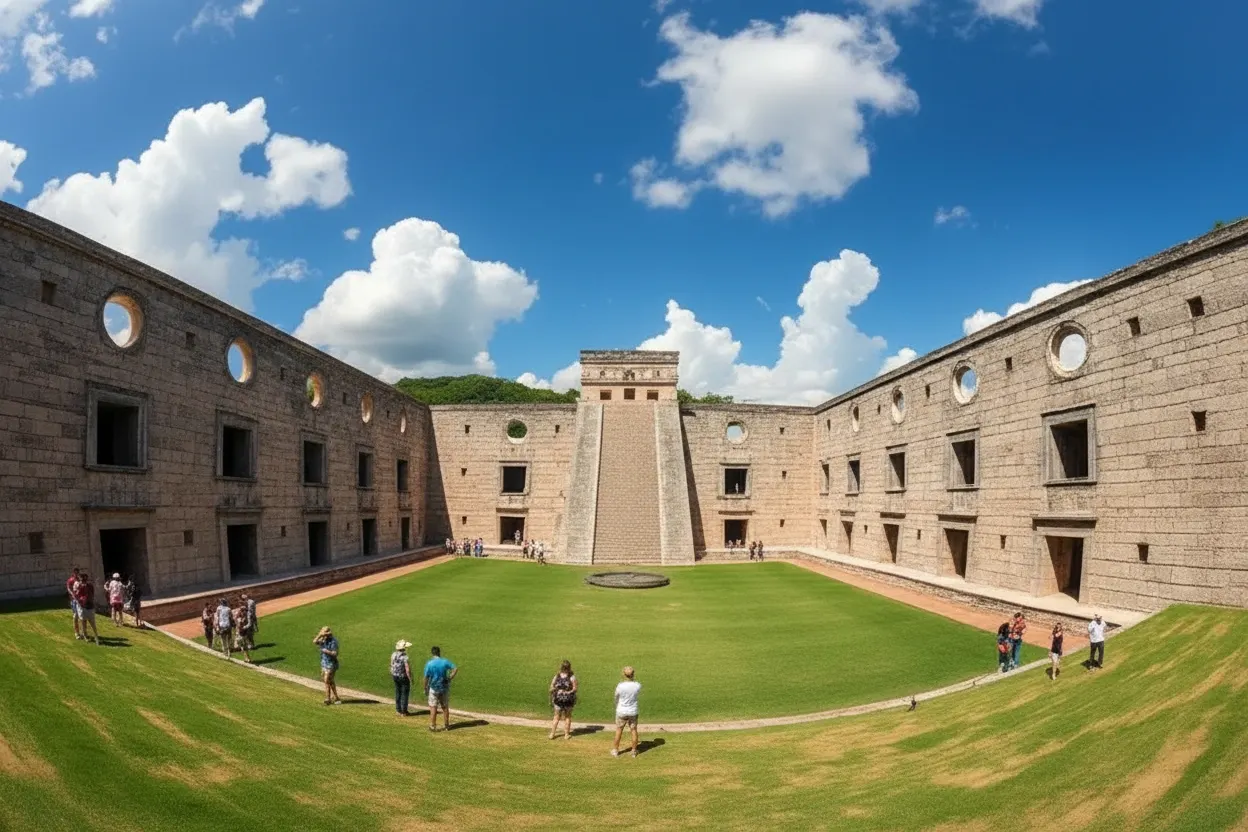
Great Ball Court
- •Largest ball court in Mesoamerica: 545 feet long, 225 feet wide
- •Stone hoops are 23 feet above the ground
- •Unique acoustic properties allow whispers to travel across the court
- •Games had deep religious and political significance
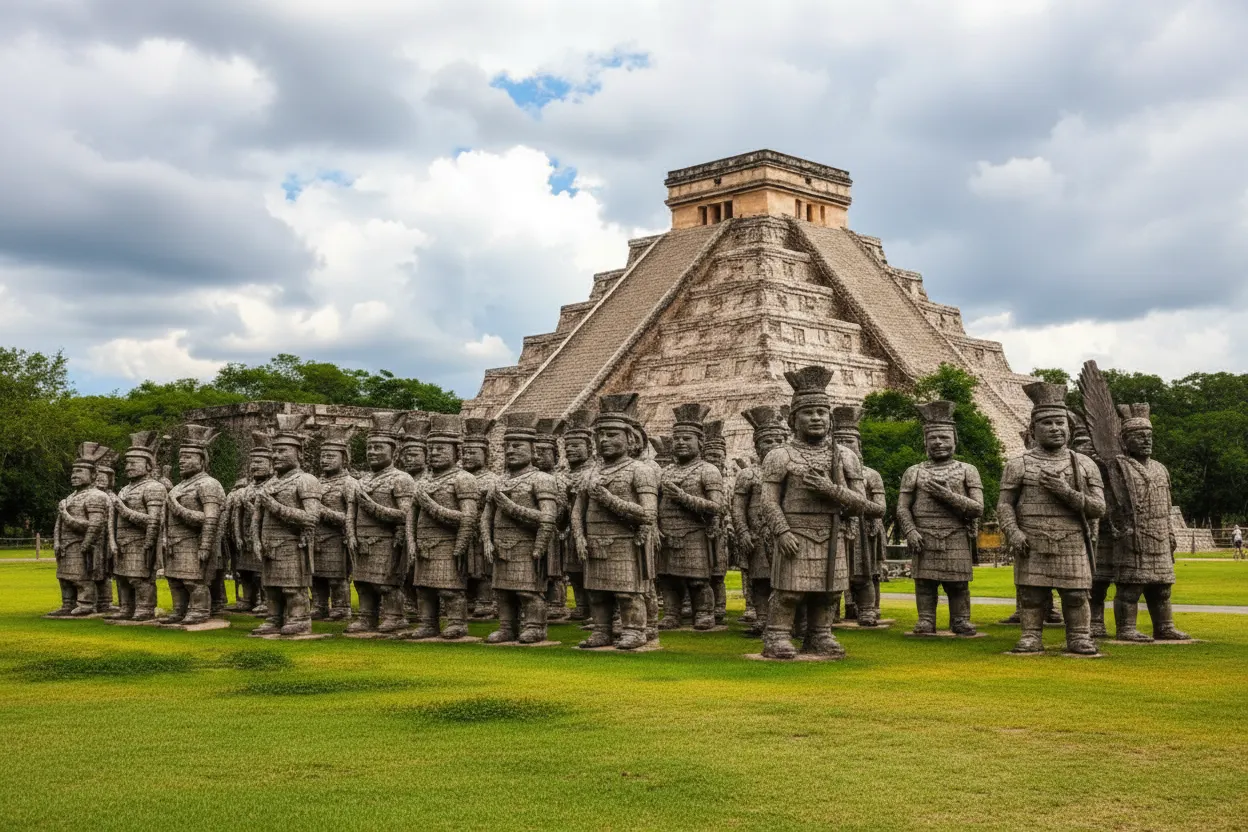
Temple of the Warriors
- •Surrounded by 1,000 carved columns depicting warriors
- •Features a reclining Chac Mool statue at the entrance
- •Shows strong Toltec architectural influence
- •Originally topped with a wooden roof
El Caracol (The Observatory)
- •Used for astronomical observations, especially Venus
- •Windows align with celestial events
- •Name means 'snail' due to its spiral internal staircase
- •Demonstrates advanced Mayan astronomical knowledge
Fascinating Facts About Chichen Itza
Acoustic Marvel
Clap at the base of El Castillo and the pyramid returns a sound resembling the sacred quetzal bird's call—a deliberate architectural feat.
Astronomical Precision
The Maya calendar was more accurate than the European calendar of the same era. Chichen Itza's structures are precisely aligned with celestial events.
City of Cenotes
'Chichen Itza' means 'At the mouth of the well of the Itza.' The Sacred Cenote was used for offerings to the rain god Chaac. Explore cenote tours →
Strategic Location
Located at the intersection of major trade routes, Chichen Itza controlled commerce in obsidian, jade, cacao, and salt.
Experience This History in Person
Our expert guides bring these ancient stories to life. Book a private tour and walk through 1,400 years of Mayan civilization.